Single Tooth Dental Implant vs Multiple Implants What’s the Difference?
Missing teeth can affect your confidence, your bite, and your long-term oral health. Dental implants are widely considered the most advanced solution for tooth replacement, but not all implant treatments are the same.
When patients ask, what’s the difference between a single tooth implant vs multiple implants, the answer depends on how many teeth are missing, how much bone support is available, and what type of restoration is needed.
We’ll explain how a single tooth implant differs from multiple implants, how each option supports replacement teeth, and which dental implant solution may be right for your smile.
Key Takeaways
- A single tooth implant replaces one missing tooth with one implant post.
- Multiple implants restore several teeth using strategically placed implant posts.
- Single-tooth implants do not affect adjacent or neighboring teeth.
- Multi-tooth implants provide strong support for bridges or full arch restorations.
- Bone quality determines how many implants can be safely installed.
- Both implant options preserve bone and restore natural chewing function.
- Cost increases with the number of implants and restoration complexity.
- Dental implants offer long-term durability with proper oral care.
What Is a Single Tooth Implant?
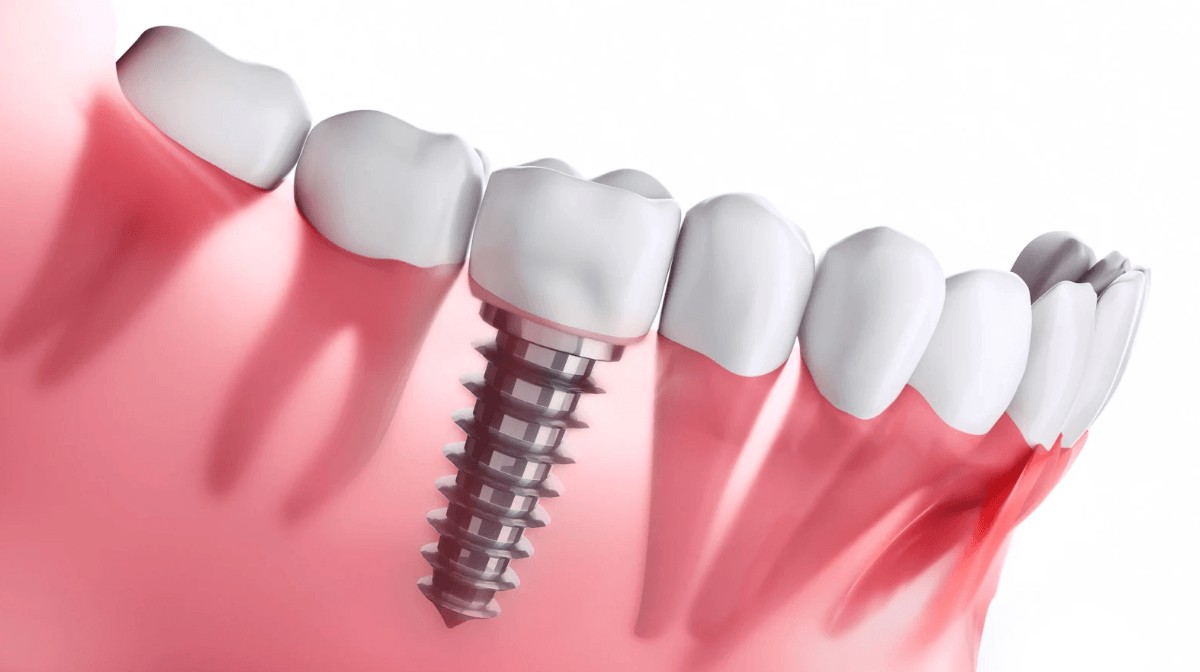
A single tooth implant is used for replacing one missing tooth. It consists of:
- One titanium implant post placed into the jawbone
- One abutment
- One custom crown
A single implant supports just one crown. It replaces both the visible tooth and the tooth root beneath the gum line.
Single-tooth implants are ideal for patients who:
- Are replacing one missing tooth
- Have healthy neighboring teeth
- Want to avoid altering adjacent teeth
- Prefer a long-term solution
Single-tooth implants do not affect adjacent teeth. Unlike traditional bridges, they stand independently and preserve natural tooth structure.
What Are Multiple Implants?
Multiple implants are used when replacing multiple teeth. Instead of placing one implant for every missing tooth, your implant dentist may strategically place fewer implants to support a bridge or full arch restoration.
Multi-tooth implants provide stability for:
- Several missing teeth in a row
- Larger bridges
- Implant-supported dentures
- Full arch restorations
The number of implants used depends on bone quality, spacing, and the type of restoration they support.
For example:
- Two implants may support three replacement teeth
- Four to six implants may support an entire arch
Multiple implants are designed to restore both function and structural balance.
Comparison Table: Single Tooth Implant vs Multiple Implants
Here is a clear breakdown to simplify the difference:
| Feature | Single Tooth Implant | Multiple Implants |
| Number of teeth replaced | One missing tooth | Two or more missing teeth |
| Number of implant posts | One post | Two or more posts |
| Type of restoration | One crown | Bridge, multiple crowns, or full arch |
| Impact on neighboring teeth | Does not affect adjacent teeth | Does not affect adjacent teeth |
| Bone requirements | Localized bone support | Broader bone support needed |
| Procedure complexity | Simpler procedure | More comprehensive procedure |
| Healing area | One surgical site | Multiple surgical sites |
| Cost | Lower overall cost | Higher due to the number of implants |
| Long-term durability | Excellent | Excellent with proper care |
Both options are forms of dental implants. The difference lies in the number of teeth implants restored and how the restoration they support is designed.
How Dental Implants Work
Dental implants function by replacing the natural tooth root. A titanium post is surgically placed into the bone. Over time, the bone fuses to the implant in a process called osseointegration.
This fusion creates a stable foundation for the restoration.
Dental implants:
- Preserve bone
- Restore chewing power
- Prevent shifting of teeth
- Maintain facial structure
Whether you receive one implant or multiple implants, the biological process is the same.
Replacing One Missing Tooth
Replacing one missing tooth is straightforward with a single-tooth implant.
A single dental implant is best when:
- Only one tooth is missing
- Surrounding teeth are healthy
- Bone support is adequate
A single implant supports just one crown. It functions independently and does not rely on neighboring teeth.
Single-tooth implants are ideal for long-term stability because they prevent bone loss at the site and restore full function.
Replacing Multiple Teeth
Replacing multiple teeth requires a more strategic approach.
Multi-tooth implants provide a comprehensive solution when several teeth are missing in one section of the mouth.
Instead of placing three separate implants for three missing teeth, your implant dentist may place two implants to support a three-unit bridge.
This approach:
- Reduces the total number of implant posts
- Maintains strong support
- Improves cost efficiency
- Distributes chewing forces evenly
Multiple implants are used when the restoration spans a larger area.
Procedure Differences
The procedure for a single tooth implant is generally shorter and more focused.
Single tooth implant procedure:
- One surgical site
- Shorter appointment time
- Localized healing
Multiple implant procedure:
- Multiple surgical sites
- Longer surgical time
- Advanced digital planning
- Possible need for bone grafting
Because multiple implants involve more posts and a broader area of bone, the procedure is more comprehensive.
Bone Considerations
Bone support is critical for implant success.
A single tooth implant requires adequate bone in one location.
Multiple implants require sufficient bone across a larger section. Patients who have experienced significant bone loss may need bone grafting before implants can be installed.
Dental implants help prevent further bone loss once placed because they stimulate the jaw during chewing.
Healing and Recovery
Healing for dental implants typically takes three to six months.
For a single-tooth implant:
- Healing is limited to one area
- Swelling is usually minimal
- Recovery is straightforward
For multiple implants:
- Healing may feel more involved
- Several sites must integrate with bone
- Careful follow-up is required
The healing timeline is similar, but the intensity of recovery can vary depending on the number of implants placed.
Support and Function
Support is one of the biggest differences between these two implant solutions.
A single implant supports just one crown and absorbs chewing forces at one site.
Multiple implants share chewing forces across several posts. This is especially important when restoring multiple teeth or a full arch.
Multi-tooth implants provide excellent support for larger restorations and help maintain proper bite alignment.
Cost Differences
Cost depends on the number of implants placed and the complexity of the restoration.
A single tooth implant typically costs less than multiple implants because:
- Only one post is placed
- Only one crown is fabricated
- Surgical time is shorter
Multiple implants require:
- More implant posts
- Additional materials
- More extensive procedure time
However, in some cases, using two implants to support three teeth may be more cost-effective than placing three individual implants.
Your implant dentist will provide a personalized treatment plan with detailed cost information.
Aesthetic Results
Both single and multiple implants are designed to restore a natural-looking smile.
Single-tooth implant restorations are color-matched to the surrounding teeth and shaped for seamless blending.
Multiple implants supporting bridges or full arch restorations are custom-designed to restore symmetry, proper spacing, and facial balance.
Modern cosmetic dentistry techniques ensure that both options look natural and feel comfortable.
Maintenance and Long-Term Care
Dental implants require the same oral hygiene routine as natural teeth:
- Daily brushing
- Flossing
- Regular dental visits
Single-tooth implants are easy to maintain because they function independently.
Multiple implants supporting bridges require careful cleaning under the restoration, but they remain fixed and stable.
With proper care, dental implants can last decades.
Are Multiple Implants More Invasive?
Placing multiple implants can be more invasive and expensive than a single implant because more surgical sites are involved.
However, advancements in digital imaging and guided surgery make the procedure highly precise.
Temporary discomfort is short-term, while the long-term stability and function provide lasting benefits.
Which Implant Solution Is Right for You?
The right implant solution depends on several factors:
- The number of missing teeth
- Bone density
- Overall health
- Budget
- Desired outcome
Single-tooth implants are ideal for replacing one missing tooth without affecting adjacent teeth.
Multi-tooth implants provide a comprehensive solution for replacing missing teeth across a larger section.
Both options preserve bone, restore function, and protect long-term oral health.
Key Differences at a Glance
Single tooth implant:
- Replaces one tooth
- One implant post
- One crown
- Localized procedure
- Lower overall cost
Multiple implants:
- Replace multiple teeth
- Two or more posts
- Support bridges or full arch
- Broader procedure
- Higher overall cost
Understanding these differences helps patients make informed decisions about treatment.
Comparing The Differences
When comparing a single-tooth implant vs. multiple implants, the answer depends on the number of teeth being restored and the type of restoration required.
A single-tooth implant replaces a single tooth.
Multiple implants support bridges or full arch restorations for patients missing several teeth.
Both implant solutions offer strong support, preserve bone, and restore long-term oral health.
Schedule Your Implant Consultation
Dental implants are one of the most reliable solutions in modern dentistry.
Our experienced implant dentist, Stephen Forrest, DDS, at Des Moines Cosmetic Dentistry Center, will evaluate your needs and recommend the most effective treatment plan for your smile.
Schedule your appointment today to explore your options and restore your confidence with a customized implant solution.
FAQs
What is the main difference between a single tooth implant and multiple implants?
A single-tooth implant replaces one missing tooth with a single implant post and crown. Multiple implants are used to replace several teeth and may support bridges or full-arch restorations, depending on the number of missing teeth.
Is a single tooth implant easier than multiple implants?
Yes. A single tooth implant involves one surgical site and a simpler procedure. Multiple implants require more planning, additional implant posts, and sometimes bone grafting, making the treatment more comprehensive.
Do multiple implants require one post per missing tooth?
Not always. In many cases, two implants can support three replacement teeth. The number of implants depends on bone support, spacing, and the type of restoration needed.
Which option lasts longer, single or multiple implants?
Both options are designed to last decades with proper care. Longevity depends more on oral hygiene, bone health, and regular dental visits than on the number of implants placed.
Are multiple implants more expensive than a single tooth implant?
Yes. Multiple implants cost more because they involve additional implant posts, materials, and procedure time. However, they provide a stable long-term solution for replacing multiple missing teeth.