Recovery After Dental Implant Surgery Week-By-Week Guide
Dental implant surgery is a highly predictable procedure in modern dentistry, but understanding the healing process makes the experience much smoother.
Many dental implant patients want to know what recovery looks like, how long discomfort lasts, and when they can resume normal activities.
This week-by-week recovery guide after dental implant surgery explains what happens immediately after surgery, what to expect during the first week, and how healing progresses over time. Knowing the recovery timeline helps patients feel prepared and confident as their dental implant integrates with the bone.
Every patient heals at a slightly different pace, but the general process follows a predictable pattern.
Key Takeaways
- Mild swelling and discomfort are normal during the first week.
- The first week focuses on soft tissue healing and reduced swelling.
- Bone integration continues for several months after implant surgery.
- Most patients return to normal activities within a few days.
- The full recovery timeline typically spans four to six months.
- Follow-up appointments ensure proper healing and implant stability.
- Good oral hygiene supports long-term implant success.
- Final restoration is placed after complete integration with the bone.
Understanding the Healing Process After Dental Implant Surgery
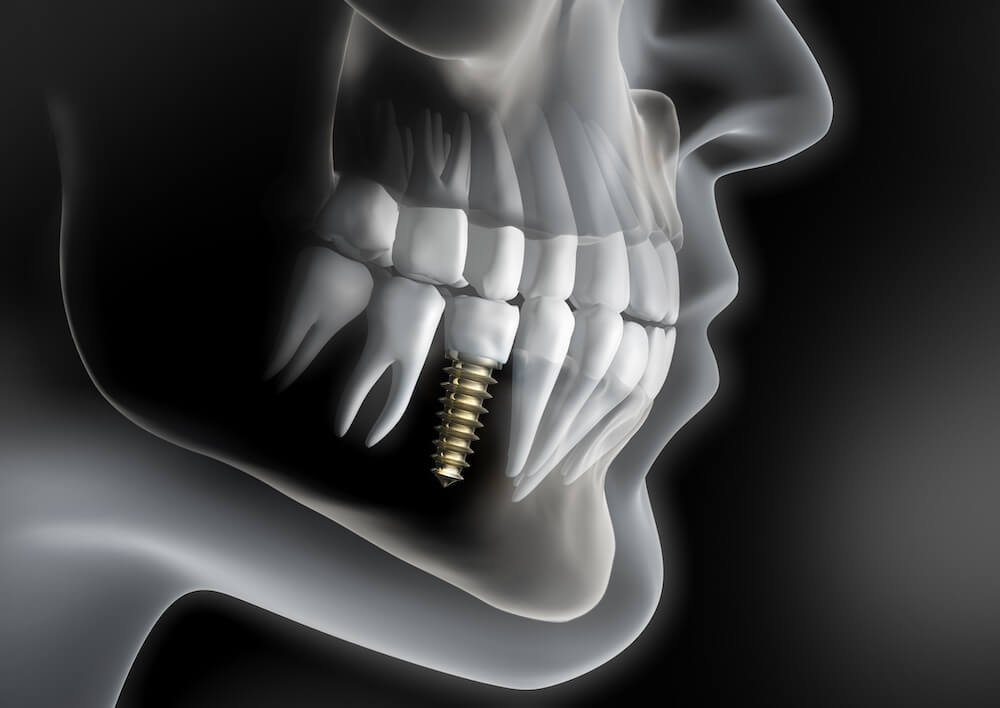
During implant surgery, a titanium post is placed into the jawbone to replace the tooth root. The body begins healing immediately. Over the next several months, the bone gradually fuses to the implant in a process called osseointegration.
Proper healing depends on:
- Following postoperative instructions
- Maintaining good oral hygiene
- Attending follow-up appointments
- Avoiding pressure on the implant site
Dental implants are designed to become part of your natural bone structure. The recovery time varies based on bone health, overall health, and the number of implants placed.
Below is a practical day-by-day recovery guide followed by a clear week-by-week healing timeline.
Day-Of Surgery: What to Expect
The first day after dental implant surgery focuses on managing bleeding and protecting the surgical site.
You can expect:
- Mild bleeding for several hours
- Swelling begins within the first day
- Mild to moderate discomfort
- Numbness from local anesthesia
Dental implant discomfort is normal and typically manageable with prescribed or over-the-counter medication. Most patients describe the procedure as easier than expected.
Care tips for the day of surgery:
- Bite gently on gauze as directed
- Avoid rinsing aggressively
- Do not use straws
- Rest with your head elevated
Avoid chewing near the implant site. Soft foods are recommended.
Day 1 to Day 3: Initial Recovery Phase
During the first 72 hours, swelling and soreness usually peak. This is a normal part of the healing period.
Common symptoms:
- Swelling around the gums and cheek
- Mild bruising
- Tenderness at the implant site
- Minor difficulty chewing
Ice packs applied intermittently can help reduce swelling. Discomfort should gradually improve each day.
Patients are encouraged to:
- Continue soft foods
- Maintain gentle brushing
- Avoid smoking
- Take medications as prescribed
This early stage sets the foundation for proper healing.
Day 4 to Day 7: End of the First Week
By the end of the first week, most patients notice reduced swelling and less discomfort.
The first week is typically the most noticeable part of implant recovery. Swelling should decrease, and soreness should feel more manageable.
At this stage:
- Soft tissue begins closing around the implant
- Pain significantly decreases
- Normal speaking becomes easier
Many patients return to regular daily activities within one week.
Follow-up appointments are often scheduled during this time so your dentist can evaluate the implant site and ensure proper healing.
First Week Summary
The first week is focused on soft tissue healing. Expect swelling early, followed by gradual improvement. Mild soreness after a dental implant is normal during this period.
Most patients feel noticeably better after one week.
Second Week: Continued Healing
The second week brings further improvement.
By this time:
- Swelling is usually minimal
- Discomfort is significantly reduced
- Gums continue to heal
Stitches, if placed, may dissolve or be removed during this period.
Recovery tends to be easier in the second week than in the first. Patients can often resume more normal eating habits, though hard or crunchy foods should still be avoided.
The implant itself remains beneath the gum while the bone heals.
Weeks 3 to 4: Early Bone Integration
Although you may feel fully recovered on the surface, deeper healing is still happening.
During weeks three and four:
- Bone begins to stabilize around the implant
- Soft tissues appear healthy
- Chewing feels more comfortable
It is important not to disturb the implant during this stage. Avoid applying heavy pressure.
The recovery timeline may feel complete to patients at this point, but osseointegration continues beneath the surface.
One Month After Implant Surgery
At one month:
- Gums are typically fully healed
- No visible swelling remains
- Discomfort is minimal or gone
However, the implant is still integrating with the bone.
Patients often return to the dental office for a progress check. The dentist evaluates stability and confirms that healing is progressing properly.
The implant should not yet be loaded with a permanent crown unless immediate restoration was planned.
Weeks 6 to 8: Bone Strengthening Phase
Between six and eight weeks, bone integration becomes stronger.
This stage is critical for long-term success. The implant bonds securely with surrounding bone tissue.
Patients rarely feel discomfort during this stage.
Maintaining good dental care remains essential. Proper brushing and cleaning around the implant site protect gum health and prevent infection.
Three Months: Midpoint of the Recovery Timeline
At approximately three months, the implant is often well integrated.
For many patients:
- Stability is confirmed
- The healing period is progressing normally
- Planning for final restoration begins
The full recovery timeline varies depending on bone density and overall health.
Some patients may be ready for the final restoration at this stage, while others may need additional healing time.
Four to Six Months: Full Osseointegration
Most dental implants fully integrate with the bone between four and six months.
At this stage:
- The implant is secure
- Bone support is strong
- The site is ready for final restoration
The abutment is placed if not already done, and impressions are taken for the final crown.
Chewing function will soon be fully restored.
Placement of the Final Restoration
Once healing is complete, the final restoration is attached.
This may include:
- A single crown
- A bridge
- Implant-supported dentures
The final restoration completes the process. At this point, the implant functions like a natural tooth.
Patients can chew normally and resume a full diet.
What Is Normal During Implant Recovery?
Understanding what is normal reduces anxiety.
Dental implant is normal in terms of:
- Mild swelling during the first few days
- Temporary discomfort
- Minor bruising
- Slight tenderness when chewing
Severe pain, excessive bleeding, or persistent swelling should be reported to your dentist.
Most implant recovery experiences are smooth and predictable.
Factors That Affect Recovery Time
Several factors influence recovery time:
- Bone quality
- Overall health
- Smoking status
- Number of implants placed
- Whether bone grafting was required
Patients who follow postoperative instructions carefully typically experience faster, more predictable healing.
Tips for Proper Healing
Proper healing depends on consistent dental care.
Key care tips include:
- Brush gently around the surgical site
- Avoid aggressive rinsing
- Eat soft foods during early healing
- Attend all follow-up appointments
- Avoid smoking during the healing period
Good oral hygiene reduces the risk of infection and supports long-term implant success.
When Can You Resume Normal Activities?
Most patients resume normal work within one to three days after surgery.
Strenuous exercise should be avoided for several days.
Chewing normally may take several weeks, depending on comfort and the type of restoration planned.
Your dentist will guide you through activity recommendations based on your specific case.
Long-Term Maintenance After Implant Recovery
Once healing is complete and the final restoration is placed, dental implants require the same care as natural teeth.
Long-term maintenance includes:
- Regular dental visits
- Professional cleanings
- Daily brushing and flossing
- Monitoring gum health
With proper care, implants can last decades.
Recovery from Dental Implant Surgery
The week-by-week recovery guide after dental implant surgery shows that healing happens in stages. The first week focuses on managing swelling and discomfort. The following weeks allow the bone to integrate with the implant. The full recovery timeline typically spans several months.
Dental implants are among the most reliable solutions in dentistry, and recovery is generally easier than many patients expect.
Understanding the process helps patients prepare mentally and physically for a successful outcome.
Schedule Your Consultation
Every patient heals differently, and personalized guidance is essential.
Our dental office provides detailed post-operative instructions and monitors healing through follow-up appointments to ensure proper healing at every stage.
Schedule an appointment today to learn more about dental implant surgery and begin your journey toward restoring your smile with confidence.
FAQs
How long is the recovery after dental implant surgery?
Initial recovery after dental implant surgery takes about one to two weeks for soft tissue healing. However, the full recovery timeline, including bone integration, typically takes four to six months before the final restoration is placed.
Is pain normal after dental implant surgery?
Yes. Mild to moderate discomfort, swelling, and soreness are normal during the first few days. Dental implant discomfort is usually manageable with medication and improves significantly within one week.
When can I eat normally after implant surgery?
Soft foods are recommended during the first week. Most patients gradually return to normal eating within two weeks, but hard or crunchy foods should be avoided until your dentist confirms that healing is complete.
What are the signs of a problem during implant recovery?
Persistent severe pain, excessive bleeding, increasing swelling after several days, or signs of infection should be reported immediately. Most dental implant recovery experiences are smooth when proper care instructions are followed.
When is the final crown placed after dental implant surgery?
The final restoration is typically placed after the implant fully integrates with the bone, which usually takes four to six months, depending on bone quality and individual healing response.