How Long Do Dental Implants Last Compared to Bridges?
If you’re replacing a missing tooth, one of the first questions that comes up is simple and practical: how long do dental implants last compared to bridges?
Both options restore your smile. Both improve oral health. Both allow you to chew and speak normally again.
But when it comes to longevity, durability, bone support, and long-term value, there are important differences.
At Des Moines Cosmetic Dentistry Center, the office of Stephen Forrest, DDS, patients regularly ask whether dental implants or dental bridges are the better long-term investment. The answer depends on your goals, your oral health, and how you care for your restoration.
Let’s break it down clearly.
Key Takeaways
- Dental implants typically last longer than bridges, often decades or lifetime.
- Bridges usually require replacement after ten to fifteen years.
- Implants replace the tooth root and preserve jawbone structure.
- Bridges rely on neighboring teeth for support and stability.
- Long term value favors implants despite higher initial implant cost.
Understanding Dental Implants
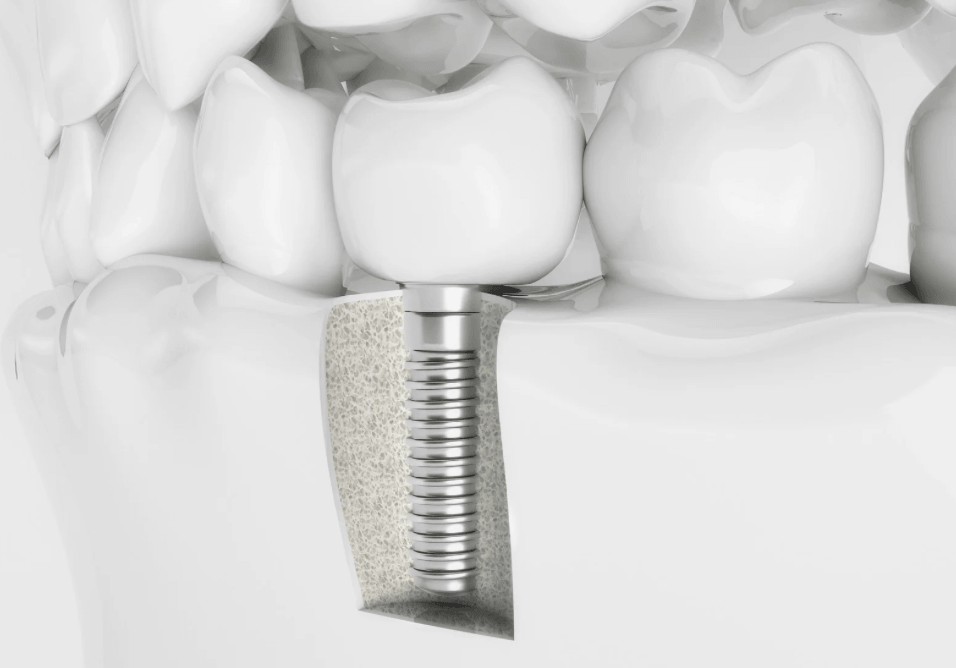
Dental implants are artificial tooth roots placed directly into the jawbone. They replace the natural tooth root beneath the gum line and provide a strong foundation for a permanent tooth.
A dental implant has three main parts:
- The titanium post placed in the bone
- The abutment that connects the post to the crown
- The crown that looks and functions like a natural tooth
Because implants replace the tooth root, they stimulate the bone and prevent bone loss over time.
Dental implants typically last longer than bridges because they integrate directly with the bone through a process called osseointegration. Once healed, the implant becomes part of your jaw structure.
How Long Do Dental Implants Typically Last?
One of the biggest advantages of dental implants is longevity.
In most cases, dental implants typically last 20 years or more, and with proper care, a dental implant can last a lifetime.
The titanium post placed in the bone is designed to be permanent. The crown attached to the implant may need replacement after 10 to 15 years due to normal wear, but the implant itself often remains stable.
Many studies show that implants last at least 25 years in a large percentage of patients. With good oral hygiene and regular dental visits, implants last significantly longer than most other tooth replacement options.
So when patients ask how long do dental implants last compared to bridges, implants consistently come out ahead in terms of lifespan.
What Can Cause Implant Failure?
Although dental implants are highly successful, implant failure can occur in certain situations.
Common causes of implant failure include:
- Poor oral hygiene
- Smoking
- Untreated gum disease
- Inadequate bone density
- Medical conditions that affect healing
Bone health plays a major role. Because the implant fuses to the bone, sufficient bone support is critical for long-term stability.
At DSM Cosmetic Dentist, we carefully evaluate bone levels and overall health before recommending treatment to minimize risk and ensure long-term success.
When properly planned and maintained, implant failure is uncommon.
Understanding Dental Bridges
Dental bridges are another common solution for missing teeth. A dental bridge uses neighboring teeth to support an artificial tooth that fills the gap.
To place a bridge, the dentist reshapes the teeth on either side of the missing space. These supporting teeth are called abutment teeth. Crowns are placed over the abutment teeth, and the false tooth is anchored between them.
Bridges are fixed restorations, meaning they are not removable like dentures.
Dental bridges are effective, but their design affects how long they last.
How Long Do Dental Bridges Last?
On average, dental bridges last 10 to 15 years. Some bridges may last longer with excellent oral care, but they generally do not match the longevity of dental implants.
Why?
Because bridges depend on neighboring teeth for support. Over time, those abutment teeth can weaken, decay, or experience stress from chewing forces.
When one of the supporting teeth fails, the entire bridge may need replacement.
So when comparing how long dental implants last compared to bridges, bridges tend to have a shorter lifespan.
Dental Implants vs Bridges: Longevity Comparison
Let’s look at this clearly:
- Dental implants typically last 20+ years
- A dental implant can last a lifetime with proper care
- Dental bridges usually last 10 to 15 years
- Bridges tend to require replacement sooner
This difference matters, especially if you are considering long-term cost and maintenance.
Dental implants typically last longer than bridges because they do not rely on neighboring teeth and they prevent bone loss.
Bone Health and Bone Loss
One major difference between implants and bridges involves bone.
When a tooth is lost, the bone that once supported the tooth root begins to shrink. This is called bone loss.
Dental implants prevent bone loss because they replace the tooth root and stimulate the jawbone during chewing.
Bridges are placed above the gum line and do not replace the tooth root. As a result, bone beneath the missing tooth area can continue to deteriorate over time.
Bone health affects facial structure, bite alignment, and long-term oral health. For many patients, preserving bone is a significant advantage of implants.
Impact on Neighboring Teeth
Dental bridges require reshaping healthy neighboring teeth. This removal of enamel is permanent.
Over time, those abutment teeth may develop decay or structural problems, especially if oral hygiene is not ideal.
Dental implants, on the other hand, do not affect neighboring teeth. Each implant stands independently, protecting adjacent teeth from additional stress.
For patients concerned about preserving natural teeth, implants often provide a more conservative solution.
Oral Health and Maintenance
Both implants and bridges require excellent oral hygiene.
With dental implants, you brush and floss normally. There are no special cleaning tools beyond standard oral care and routine dental visits.
Bridges require careful cleaning underneath the false tooth using floss threaders or specialized tools. Food can become trapped beneath bridges, increasing the risk of gum inflammation.
Maintaining strong oral health improves longevity for both restorations, but implants are often easier to clean and maintain.
Implant Cost vs Bridge Cost
Initial implant cost is typically higher than the cost of a dental bridge.
However, when you consider longevity, replacements, and potential complications with abutment teeth, implants may provide better long-term value.
Bridges may need replacement every 10 to 15 years. Implants last much longer and may only require crown replacement.
When comparing implants bridges and other solutions like bridges dentures, the overall cost should be evaluated over decades, not just upfront.
At DSM Cosmetic Dentist, we discuss implant cost, insurance options, and financing to help patients make informed decisions.
Dentures vs Implants and Bridges
Dentures are another solution for missing teeth. Unlike implants and bridges, dentures are removable.
While dentures cost less initially, they often require periodic adjustments and may contribute to bone loss over time.
Implants offer superior stability compared to dentures and eliminate slipping during eating or speaking.
For patients deciding between dentures and fixed options, implants often provide greater long-term comfort and durability.
Which Option Looks More Natural?
Both dental bridges and dental implants are designed to restore your smile naturally.
However, implants often provide a more lifelike result because they emerge from the gum line like a natural tooth. The gum tissue adapts around the implant crown, creating a seamless appearance.
Bridges can also look natural, but gum recession around abutment teeth may reveal margins over time.
In cosmetic dentistry, implants often provide the most natural and stable aesthetic outcome.
Are Dental Implants Worth It Long-Term?
For many patients, yes.
When evaluating how long dental implants last compared to bridges, the long-term benefits include:
- Longer lifespan
- Preservation of bone
- Protection of neighboring teeth
- Lower risk of repeated replacement
- Stable and permanent tooth replacement
Dental implants typically last longer than bridges and can last a lifetime when maintained properly.
That longevity often makes them a strong long-term investment.
Who Is a Good Candidate for Dental Implants?
Most healthy adults are candidates for dental implants.
Ideal patients have:
- Healthy gums
- Adequate bone support
- Good overall health
- Commitment to oral hygiene
Even patients with bone loss may qualify for bone grafting procedures before implant placement.
At DSM Cosmetic Dentist, we evaluate each patient individually to determine the best treatment option.
When Might a Bridge Be Recommended?
While implants offer many advantages, bridges are still appropriate in certain cases.
A dental bridge may be recommended if:
- The patient prefers a shorter treatment timeline
- Bone density is insufficient and grafting is not desired
- Cost is a primary concern
- Medical conditions prevent implant surgery
Bridges are a reliable and time-tested solution in dentistry.
The Bottom Line: Implants vs Bridges
So, how long do dental implants last compared to bridges?
- Dental implants typically last 20 years or more
- A dental implant can last a lifetime
- Dental bridges last about 10 to 15 years
- Bridges tend to require earlier replacement
Dental implants typically last longer than bridges because they replace the tooth root, preserve bone, and function independently.
While both treatments restore your smile and improve oral health, implants offer greater long-term durability and stability.
The best choice depends on your health, goals, and budget.
Schedule a Consultation at Des Moines Cosmetic Dentistry Center
Choosing between dental implants and dental bridges is an important decision.
If you have missing teeth and want to understand your options, schedule an appointment with our experienced dentist.
Dr. Forrest will evaluate your oral health, discuss implant cost and bridge options, and create a personalized treatment plan designed for long-term success.
Call Des Moines Cosmetic Dentistry Center today to schedule your consultation and take the next step toward a healthy, confident smile that lasts for years.
Frequently Asked Questions
How long do dental implants last compared to bridges?
Dental implants typically last 20 years or more and can last a lifetime with proper care. Dental bridges usually last 10 to 15 years before needing replacement. Because implants replace the tooth root and preserve bone, they generally last longer than bridges.
Are dental implants more expensive than bridges?
The initial implant cost is usually higher than a dental bridge. However, implants often require fewer replacements over time. Since bridges may need replacement every 10 to 15 years, dental implants can be more cost-effective long term.
Do dental bridges damage neighboring teeth?
Yes, dental bridges require reshaping neighboring teeth, known as abutment teeth, to support the restoration. This removal of enamel is permanent. Dental implants do not affect surrounding teeth, which helps preserve long term oral health and tooth structure.
Can dental implants fail?
Implant failure is uncommon but possible. Causes include poor oral hygiene, smoking, gum disease, or insufficient bone support. With proper planning, healthy gums, and regular dental visits, most dental implants integrate successfully and remain stable for decades.
Which option looks more natural, implants or bridges?
Both options are designed to restore a natural looking smile. Dental implants often provide a more realistic appearance because they emerge from the gum line like a natural tooth, while bridges sit above the gum and rely on supporting teeth.