Are Dental Implants or Dentures Better Long-Term?
Replacing missing teeth is not just about appearance. It affects how you chew, speak, and maintain overall oral health. Two of the most common options are dental implants and dentures. Each solution restores function, but they work in very different ways.
When patients ask about dental implants vs dentures which is better long term, the answer depends on bone health, lifestyle, budget, and long-term goals. While both can replace missing teeth, the experience and durability differ significantly.
This guide breaks down the differences clearly so you can understand which option may be the better long-term investment for your situation.
Key Takeaways
- Dental implants replace the root and help preserve jawbone density.
- Dentures rest on the gums and may contribute to bone loss.
- Implants offer greater stability and chewing strength long term.
- Dentures cost less initially but require maintenance and replacement.
- For many patients, implants are the better long-term investment.
How Dental Implants Work
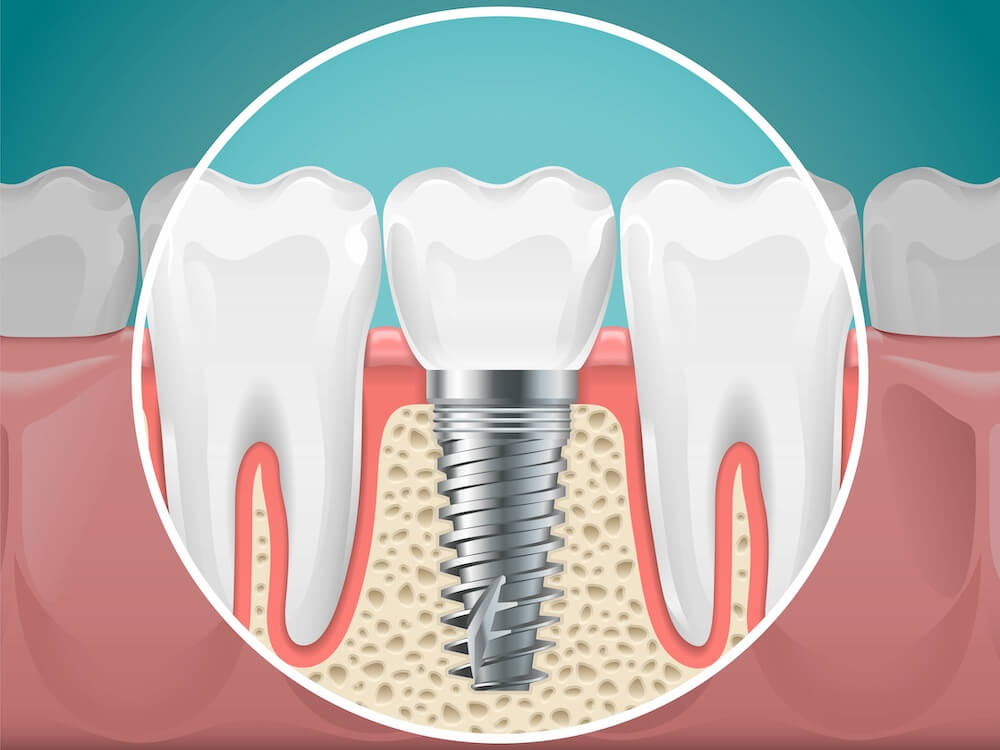
Dental implants replace the root of a missing tooth by placing a titanium post into the jawbone. After healing, a crown, bridge, or full restoration is attached on top.
Because implants integrate with the bone, they function like natural tooth roots. They stimulate the jawbone and help prevent bone loss that commonly occurs after tooth loss.
Dental implants have become one of the most predictable procedures in modern dentistry. When properly placed and maintained, implants often prove to be long-lasting solutions that can remain stable for decades.
How Dentures Work
Dentures are removable appliances designed to replace missing teeth. They rest on the gums and are supported by soft tissue rather than bone.
There are several types:
- Full dentures for complete tooth loss
- Partial denture options when some natural teeth remain
- Traditional dentures that rely solely on suction or adhesives
- Implant-supported dentures that attach to implants for added stability
Traditional dentures do not replace the tooth root. Because of this, the jawbone gradually shrinks over time. This can cause dentures to loosen and require relining or replacement.
Key Structural Difference: Root Replacement vs Surface Support
The most important distinction between dental implants and dentures is how they interact with the jawbone.
Dental implants replace the tooth root. Dentures replace only the visible portion of the teeth.
When a tooth is missing, the jawbone begins to lose density. Implants help preserve bone density because they stimulate the bone during chewing. Dentures do not provide this stimulation.
Over the long term, bone loss can change facial structure and affect the fit of dentures.
Dental Implants vs Dentures: Side-by-Side Comparison
| Feature | Dental Implants | Dentures |
| Root Replacement | Yes, implant integrates with bone | No, rests on gum surface |
| Stability | Fixed and secure | May shift or move |
| Bone Preservation | Helps prevent bone loss | Does not prevent bone loss |
| Maintenance | Brush and floss like natural teeth | Remove daily for cleaning |
| Longevity | Can last decades | Typically replaced every 5 to 10 years |
| Comfort | Feels like natural teeth | May cause sore spots initially |
| Speech | Stable during speaking | May affect pronunciation |
| Chewing Strength | Strong and secure | Limited biting force |
| Long-Term Investment | Often a better long-term investment | Lower upfront cost |
Long-Term Durability
When evaluating dental implants vs dentures which is better long term, durability is one of the biggest considerations.
Dental implants have high success rates. With proper care, they can be long-lasting and remain stable for decades. The crown portion may eventually need replacement, but the implant post often remains intact.
Traditional dentures typically require periodic adjustments. As bone loss occurs, the fit changes. Relining, repairs, or full replacements are common over time.
From a longevity standpoint, implants often prove to be the better long-term investment.
Impact on Jawbone Health
Bone health plays a major role in long-term outcomes.
When teeth are missing, the jawbone begins to shrink. This process is called bone resorption. Over time, bone loss can alter facial appearance and reduce bone density.
Dental implants have the advantage of preserving bone. Because the implant integrates into the jawbone, it provides stimulation similar to a natural tooth root.
Dentures do not provide this stimulation. Over time, bone loss continues beneath the denture.
For patients concerned about preserving facial structure and jaw health, implants are generally the stronger option.
Comfort and Daily Experience
Comfort varies from person to person.
Dental implants feel stable and natural. Once healed, most patients report that implants function similarly to real teeth.
Dentures may require an adjustment period. Some patients experience sore spots, irritation, or difficulty chewing certain foods.
Implant-supported dentures offer a middle ground. They snap into place and provide more stability than traditional dentures while still being removable.
Chewing and Function
Biting force is significantly stronger with implants compared to dentures.
Dental implants are anchored into the bone, allowing patients to eat most foods comfortably.
Dentures, especially traditional dentures, limit chewing power. Sticky or hard foods may cause shifting or discomfort.
For patients who want to maintain a varied diet without restriction, implants often provide a stronger solution.
Cost Comparison
Cost is often the deciding factor.
Dentures generally have a lower upfront cost. For patients seeking an immediate and budget-conscious solution, dentures may seem attractive.
Dental implants require a higher initial investment. The implant procedure, possible bone grafting, and final restoration contribute to the cost.
However, when considering replacements, relines, adhesives, and ongoing adjustments, dentures can accumulate long-term expenses.
In many cases, implants become the better long-term investment over time.
Maintenance Requirements
Dental implants require the same care as natural teeth. Daily brushing, flossing, and regular dental visits protect the implant and surrounding bone.
Dentures must be removed nightly, cleaned carefully, and stored properly. Adhesives may be necessary for stability.
Implant-supported dentures combine aspects of both, offering added stability with removable convenience.
Who Is a Good Candidate for Dental Implants?
Most healthy adults with sufficient bone density are candidates for implants.
If bone loss has occurred, bone grafting may be required to improve implant candidacy.
Patients with uncontrolled medical conditions or heavy smoking habits may require additional evaluation before implant surgery.
Who May Prefer Dentures?
Dentures may be appropriate for patients who:
- Have extensive bone loss
- Prefer a non-surgical option
- Have budget limitations
- Require immediate tooth replacement
Dentures remain a viable solution in many cases.
Implant-Supported Dentures: A Hybrid Option
Implant-supported dentures combine the stability of implants with the structure of dentures.
These supported dentures snap onto implants placed in the jawbone. They reduce movement and improve chewing strength.
This option can provide a compromise for patients who want greater stability without replacing each missing tooth with an individual implant.
Aesthetic Considerations
Both implants and dentures are designed to look natural.
Dental implants often provide a more natural appearance because they emerge from the gum like natural teeth.
Over time, bone loss beneath dentures can change facial contours. Implants help preserve jawbone structure, which supports facial appearance.
Long-Term Outlook
When considering dental implants vs dentures which is better long term, the answer often depends on priorities.
Dental implants:
- Preserve bone
- Provide stability
- Offer long-term durability
- Require higher initial investment
Dentures:
- Lower upfront cost
- Non-surgical
- Require maintenance and replacement
- May contribute to bone loss over time
For many patients, implants are the better choice for long-term stability and overall oral health.
Find Out If Dental Implants Are Right for You
Both dental implants and dentures restore missing teeth, but they do so in different ways. Implants integrate with the jawbone and function like natural teeth. Dentures rest on the gums and may require adjustments over time.
When evaluating long-term outcomes, implants often prove to be the stronger solution in terms of bone preservation, stability, and durability.
The best way to determine which option fits your needs is through a comprehensive evaluation. Bone density, overall health, and treatment goals all influence the final recommendation.
Frequently Asked Questions
Are dental implants really better long term than dentures?
In many cases, yes. Dental implants preserve bone, provide greater stability, and can last decades with proper care. Dentures may need relining or replacement over time due to bone loss and changes in jaw shape.
Do dentures always cause bone loss?
Traditional dentures do not stimulate the jawbone, which can lead to gradual bone loss over time. Implant-supported dentures help reduce bone loss because the implants integrate with the bone and provide necessary stimulation.
Are dental implants more expensive than dentures?
Dental implants usually have a higher upfront cost than dentures. However, when considering long-term durability, fewer replacements, and reduced maintenance, implants often become a better long-term investment for many patients.
Can I switch from dentures to dental implants later?
Yes. Many patients who begin with dentures later transition to dental implants. An evaluation is necessary to assess bone density and determine whether bone grafting or additional procedures are required.
Which option feels more natural?
Dental implants typically feel more like natural teeth because they are anchored into the jawbone. Dentures may require an adjustment period and can sometimes shift or feel less secure during eating or speaking.