Are Dental Veneers Worth It?
If you’re unhappy with chips, stains, or small gaps in your teeth, you might wonder: Are dental veneers worth the investment? Stephen Forrest, DDS, at Des Moines Cosmetic Dentistry Center says, “Porcelain veneers are the most popular cosmetic dental procedure to help you achieve your dream smile.” In other words, veneers can give you the bright, even look you want. We’ll walk through how veneers work, the benefits they offer, and the trade-offs to consider so you can decide if they fit your goals and budget.
What Are Dental Veneers?
Dental veneers are ultra-thin shells that cover the front of your teeth. Most are made of porcelain, a ceramic that mimics real tooth enamel. The dentist will gently remove a tiny layer of enamel from the tooth so the shell fits perfectly. Once bonded on, a veneer hides imperfections while preserving most of your natural tooth underneath. Veneers can cover many cosmetic issues, for example:
- Deep discoloration or stains that teeth whitening can’t remove.
- Chips, cracks, or damage on front teeth.
- Misshapen or uneven teeth (teeth that look too short, skinny, or worn).
- Small gaps or slight misalignment (a bit of crookedness that doesn’t need braces).
If your teeth fall into one or more of those categories, veneers may be a good option to fix them.
Why Patients Choose Veneers
When done right, veneers can offer big smile improvements:
- Transform your smile in one go. Veneers can simultaneously whiten your front teeth and fix shapes or gaps. Instead of doing whitening, then bonding, and maybe braces, a set of veneers can cover everything at once.
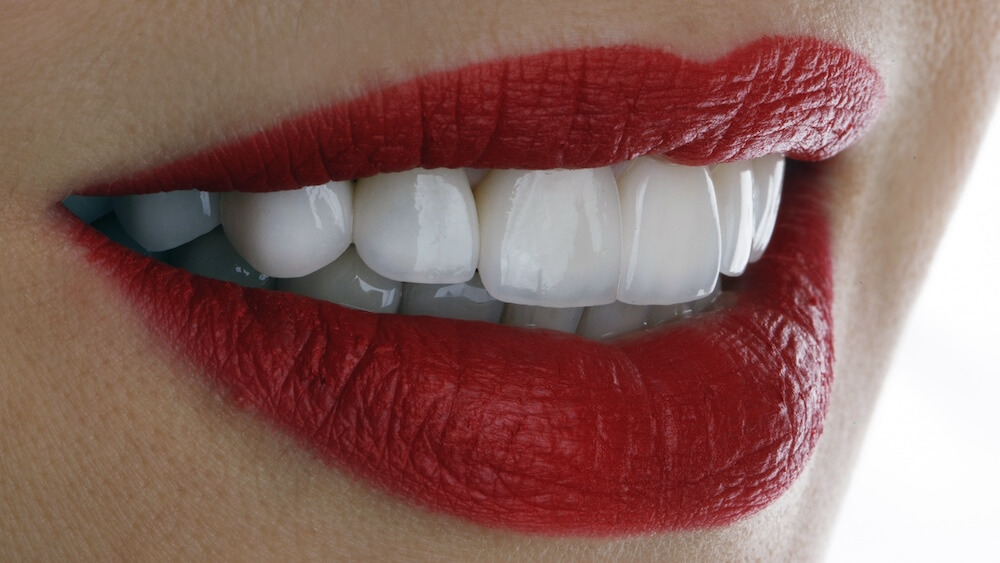
- Very natural look. Porcelain reflects light just like your own enamel. Dentists can match the color to your other teeth so well that you can’t tell who has them, as Dr. Forrest notes. The result is a smooth, even smile without noticeable “fake” edges.
- Long-lasting results. With good oral care, porcelain veneers are very durable. They can easily stay in place for a decade or longer. Porcelain itself is hard and not very porous, so it resists wear. In practice, many offices say veneers last around 10–15 years or more before needing replacement.
- Stain resistance. Unlike natural teeth, porcelain veneers don’t soak up stains from coffee, tea, or wine. They stay bright, saving you from frequent whitening touch-ups.
- Confidence boost. A beautifully even smile can change how you feel. Many patients report a big jump in confidence after getting veneers. When your teeth look great, you tend to smile more and feel more at ease in social and work settings.
In short, veneers can give you a polished, eye-catching smile that lasts. They offer much more than a simple tooth-whitening kit or one-off bonding fix. “A beautiful smile can significantly enhance how a person feels about themselves,” notes Dr. Forrest. Dr. Forrest and his team want you to be thrilled with your smile, and veneers are one tool that often delivers dramatic change.
Things to Consider About Veneers
Veneers are powerful, but they’re not a magic bullet. It’s important to weigh the downsides and see if they fit your situation:
- Cost: Porcelain veneers are a major investment. You can expect roughly $925–$2,500 per tooth for high-quality porcelain. If you need multiple teeth veneered, costs add up quickly. Cosmetic veneers are usually not covered by insurance because they’re considered elective. You’ll likely pay out-of-pocket or use financing.
- Permanent enamel removal: To bond a veneer, the dentist must trim off a thin layer of your tooth’s enamel. This change is permanent. That means once a tooth is veneered, it will always need some sort of restoration (you can’t go back to the untouched tooth). If a veneer were ever damaged and needed replacement, you’ll be re-veneered or given a crown. Essentially, it’s a long-term commitment.
- Sensitivity: Because enamel is removed, you might notice sensitivity to hot or cold for a few days after the procedure. This is usually temporary, but in rare cases some mild sensitivity may linger. Over-the-counter desensitizing toothpaste and gentle brushing can help.
- Not a solution for all problems: Veneers only cover the front of teeth. They won’t fix underlying issues like cavities, gum disease, or very crooked bites. Your dentist will make sure your mouth is healthy first. If you have significant decay or bite problems, those must be treated (fillings, root canals, orthodontics, etc.) before veneers are an option.
- Potential for chips: Porcelain is strong, but it isn’t indestructible. Hard bites (like on ice or candy) or accidents can chip or crack a veneer. Small chips in bonding can be smoothed out, but a chipped porcelain veneer usually means it will need to be replaced entirely. On the plus side, with careful use (no nail-biting or pen-chewing!), chips are uncommon.
- Future replacements: Even though veneers last many years, they eventually wear out or fade slightly. Plan on getting new veneers in the future (often a decade or more down the road). This is part of the ongoing cost of having veneers.
You should also compare other options. For minor discoloration or chips, direct bonding with tooth-colored resin can be done in one visit for a lower cost, though it won’t last as long (typically 5-10 years). Teeth whitening is cheap but only fixes color, not shape. If your issue is really severe (like a tooth that’s broken or had a root canal), a crown might be recommended instead of a veneer. Orthodontic treatment (braces or clear aligners) may be needed if many teeth are misaligned. A good dentist will lay out all these choices with you so you can pick what best suits your smile.
Cost of Veneers and Treatment Steps
The financial and time investment for veneers is moderate. Here are some typical factors and steps:
- Cost factors: Your total cost depends on how many teeth you want done and where you live. In our practice, a single porcelain veneer tooth can range from the upper hundreds to the low thousands. Dentists nationwide report around $925-$2,500 per tooth. Many patients get 4-8 veneers for a full front smile makeover. Remember, dental insurance rarely helps with this cost. Financing plans are often offered to spread out payments if needed.
- Treatment timeline: The veneer process usually takes 2-3 appointments. First, you’ll have a consultation to check your oral health and discuss goals. Then the dentist prepares your teeth by lightly buffing the enamel. Impressions or digital scans are sent to a lab where the porcelain shells are custom-made (this can take 1–2 weeks). At the next visit, the veneers are bonded in place and adjusted for a perfect bite and look. Finally, a short follow-up ensures everything is comfortable. Overall, it’s a relatively quick process compared to orthodontics or implants.
Every patient’s case is unique. Dr. Forrest will factor in your needs: “Finding the right fit for your smile, your schedule, and your budget” is what he always tells patients. For example, if you want a stunning Hollywood smile and are ready to invest, porcelain veneers can deliver maximum impact. If your issue is smaller or budget is tight, he might suggest starting with bonding or whitening first. We weigh all options together so you choose with confidence.
Deciding If Veneers Are Right for You
At the end of the day, you know your smile goals best. If you want a dramatic improvement, veneers may be worth it. A thorough exam will tell if your teeth are healthy enough and how many veneers you’d need. Your dentist can answer questions like, “Will my veneers look natural?”, “How long will they really last?”, or “What if I need one replaced later?”.
Remember that veneers transform the look of your teeth, but keeping that smile healthy still means good brushing, flossing, and regular check-ups. In Dr. Forrest’s words, veneers should fit your life and be part of a long-term plan.
Many of our Des Moines-area patients have walked out the door smiling from ear to ear after getting veneers. If you’d like to explore it, give us a call. Our friendly team at Des Moines Cosmetic Dentistry Center would love to talk through your options. We can show you before-and-after examples and explain exactly what to expect, so you can decide if veneers are worth it for you.