Dental Implant Surgery vs Implant Crown: What’s the Difference?
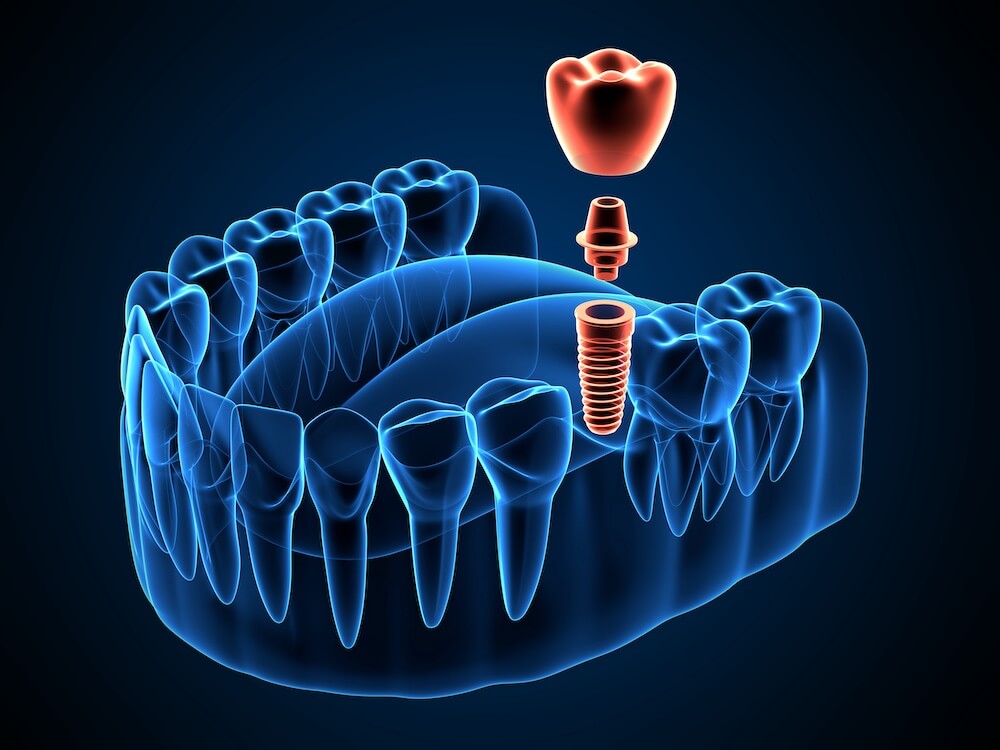
When someone says they are getting a dental implant, it often sounds like a single procedure. In reality, replacing a missing tooth with a dental implant involves two separate but connected steps. First comes the surgical placement of the implant itself. After healing, the crown is placed on top to restore the visible portion of the tooth.
Patients often confuse these two parts, and that confusion can lead to misunderstandings about treatment, cost, and expectations. If you are considering tooth replacement, it is important to understand how dental implant surgery and the implant crown work together.
Let’s walk through this clearly.
Key Takeaways
- Implant surgery replaces the missing tooth root beneath the gumline.
- The crown restores the visible portion of the missing tooth.
- Both components are necessary for complete tooth replacement.
- Implants preserve bone and provide long-term stability.
- A proper evaluation determines the right treatment approach.
Understanding the Structure of a Natural Tooth
Before we talk about implants, it helps to understand how a natural tooth is built.
A natural tooth has two main components:
- The crown, which is the visible top part of the tooth above the gum
- The root, which sits below the gum and anchors the tooth into the jawbone
The tooth root is critical. It stimulates the bone when you chew, keeps the jaw strong, and stabilizes your bite.
When a tooth is lost completely, both the crown and the root are gone. That is why replacing only the visible portion is not enough. To truly restore function, the root structure must be replaced as well.
This is where dental implants come in.
What Is Dental Implant Surgery?
Dental implant surgery is the procedure that replaces the missing tooth root.
During implant placement, a small titanium implant post is inserted into the jawbone. This post acts as an artificial tooth root. Over time, the bone bonds with the implant in a process called osseointegration. This creates a strong and stable foundation for the final restoration.
The surgical portion is what makes dental implants different from bridges or removable dentures. Instead of resting on neighboring teeth or sitting on the gums, implants integrate directly with the bone.
What Happens During Implant Placement?
The process generally includes:
- A comprehensive evaluation of bone health and gum condition
- Digital imaging to assess bone density and positioning
- Placement of the implant post into the jawbone
- A healing period to allow integration
Most patients are surprised at how manageable implant surgery is. It is performed under local anesthesia, and post-operative discomfort is typically controlled with medication and proper aftercare.
Implant placement is the foundation of the entire treatment. Without a stable implant post, there is no secure support for the final crown.
What Is an Implant Crown?
After the implant has healed and fused with the bone, the next step is restoring the visible part of the tooth.
This is done with a dental crown.
A dental crown is a custom-designed cap that replaces the top part of the tooth. When used in implant dentistry, the crown is attached to the implant through a small connector called an abutment.
The crown is crafted to match the color, shape, and contour of your natural teeth. Once placed, it looks and functions like a natural tooth.
In simple terms:
- The implant replaces the tooth root
- The crown restores the visible tooth
Both are necessary for full tooth replacement.
Why the Implant and Crown Are Two Separate Steps
Some patients ask if they can just get the crown and skip the surgery. That depends entirely on whether the natural tooth root still exists.
If you have a damaged tooth but the root is still healthy, a dental crown alone may be enough. In that case, the crown covers and strengthens the existing tooth structure.
However, if the entire tooth including the root is missing, there is nothing to anchor a crown to. A dental implant replaces the missing root first. Only then can a crown be placed securely.
Tooth replacement involving dental implants requires both parts working together to replace the entire tooth, not just the visible portion.
Dental Implant Surgery vs Implant Crown: Side-by-Side Comparison
| Feature | Dental Implant Surgery | Implant Crown |
| Purpose | Replaces the missing tooth root | Restores the visible portion of the tooth |
| Location | Placed inside the jawbone | Sits above the gumline |
| Function | Anchors and stabilizes the restoration | Allows normal chewing and aesthetics |
| Material | Titanium implant post | Porcelain or ceramic crown |
| Surgical Procedure | Yes, minor oral surgery required | No surgery, placed after healing |
| Healing Time | Requires several months for integration | Typically placed after implant heals |
| Role in Tooth Replacement | Foundation of the entire restoration | Final visible and functional component |
| Can It Be Done Alone? | No, requires crown for full function | Only if natural root still exists |
| Longevity | Designed to last decades | May require replacement over time |
The Role of the Implant Post
The implant post is the most important part of the procedure. It is what anchors the restoration to the jawbone.
The implant post:
- Stimulates bone like a natural tooth root
- Prevents bone loss
- Maintains facial structure
- Provides stability for chewing
Without a root replacement, the jawbone in that area can shrink over time. This is one reason dentures sometimes become loose. Dental implants help preserve bone because they function like natural roots.
Implant placement must be precise. Proper positioning ensures the final crown aligns correctly with surrounding teeth and your bite.
What Is the Abutment?
Between the implant post and the crown is a small connector called the abutment.
After healing, the abutment is attached to the implant. The crown is then secured to the abutment.
This three-part system includes:
- Implant post
- Abutment
- Crown
Together, they recreate the structure of a natural tooth from root to top.
When Is a Dental Crown Used Without an Implant?
A dental crown is often used when a tooth is still present but damaged.
Examples include:
- A cracked tooth
- A severely decayed tooth
- A tooth weakened after a root canal
In these cases, the natural tooth root remains intact. The crown covers and restores the damaged tooth.
A dental crown is part of restorative dentistry. It protects the existing structure and allows the tooth to function normally again.
The key difference is that a crown alone does not replace a missing root. It strengthens what is already there.
Timeline: From Implant Surgery to Crown Placement
Patients often ask how long the entire process takes.
The timeline typically looks like this:
- Consultation and evaluation
- Implant surgery
- Healing period of several months
- Abutment placement
- Final crown placement
Healing time is important. The implant must fully integrate with the bone before supporting a crown. Rushing this stage can compromise long-term success.
Although the process takes time, the long-term benefits are significant.
Are Dental Implants More Expensive Than Crowns?
Dental implants are initially more expensive than crowns placed on natural teeth. Implant treatment involves surgery, advanced materials, and multiple visits.
However, it is important to look at long-term value.
A crown placed on a compromised tooth may need replacement if the root fails. A properly placed implant and crown can last decades with good care.
Dental implants are often considered an investment in long-term oral health.
Benefits of Dental Implants Compared to Other Options
Compared to bridges or dentures, dental implants offer:
- Stability without relying on neighboring teeth
- Preservation of jawbone
- Natural appearance
- Strong chewing function
- Long-term durability
Because implants replace the tooth root, they provide structural support that other options cannot match.
Who Is a Good Candidate for Implant Surgery?
Most healthy adults are candidates for dental implant surgery.
Ideal candidates:
- Have good overall health
- Have adequate bone density
- Do not have uncontrolled gum disease
- Do not smoke heavily
If bone loss has occurred, bone grafting may be necessary before implant placement.
A full evaluation helps determine the best approach.
Why Surgical Experience Matters
Implant placement is a surgical procedure. Precision is critical.
When the same dentist plans and performs the implant placement, it can improve continuity of care. Treatment planning, positioning, and restoration are coordinated from start to finish.
The surgical portion is not just a technical step. It directly impacts how well the final crown fits and functions.
Proper implant placement supports:
- Bite alignment
- Long-term stability
- Aesthetic outcomes
- Healthy surrounding teeth
Is Dental Implant Surgery Right for You?
Dental implant surgery and the implant crown are not competing treatments. They are two essential components of complete tooth replacement.
The implant replaces the tooth root, while the crown restores the visible portion of the tooth.
Together, they recreate the function and appearance of a natural tooth.
If you are missing a tooth and unsure which option is right for you, the most important step is a proper evaluation. Every patient’s bone health, bite, and overall dental condition are different. A personalized treatment plan makes all the difference in long-term success.
If you would like to discuss whether dental implant surgery is the right solution for you, I invite you to schedule a consultation at our Des Moines office.
We will take the time to examine your specific situation, answer your questions clearly, and help you understand your options so you can move forward with confidence.
Frequently Asked Questions
Is dental implant surgery painful?
Most patients are surprised by how manageable dental implant surgery feels. The procedure is performed under local anesthesia, and post-operative discomfort is typically mild. Swelling and soreness may occur for a few days, but medication and proper aftercare keep recovery comfortable.
How long does the entire dental implant process take?
The full dental implant process usually takes several months from start to finish. After implant placement, healing time is required for the bone to integrate with the implant. Once healing is complete, the abutment and crown are placed to restore function.
Can I get a crown without implant surgery?
You can receive a dental crown without implant surgery only if the natural tooth root is still healthy and intact. If the entire tooth is missing, including the root, implant surgery is necessary to create a stable foundation for the crown.
How long do dental implants and implant crowns last?
With proper care and good oral hygiene, dental implants can last decades and often a lifetime. The implant crown may need replacement over time due to normal wear, but the implant post itself is designed for long-term durability and stability.
What if I do not have enough bone for implant placement?
If there is insufficient bone to support a dental implant, procedures such as bone grafting may be recommended. Bone grafting rebuilds lost bone and creates a stable foundation for successful implant placement and long-term function.
Dr. Stephen Forrest DDS
Dr. Forrest is a native of Iowa and attended the University of Iowa for his Bachelor of Science Degree in Microbiology and continued on for his Doctorate of Dental Surgery (D.D.S.) at the University of Iowa College of Dentistry.
Professional Societies & Affiliations
- American Dental Association, Fellow
- Iowa Dental Association
- Academy of General Dentistry, Fellow